Ready for Anything: A Homeowner's Preparedness ChecklistSeptember is National Preparedness Month, and this year's theme from FEMA's Ready campaign is Americans Stand Ready — the idea that

Dated: June 28 2024
Views: 39
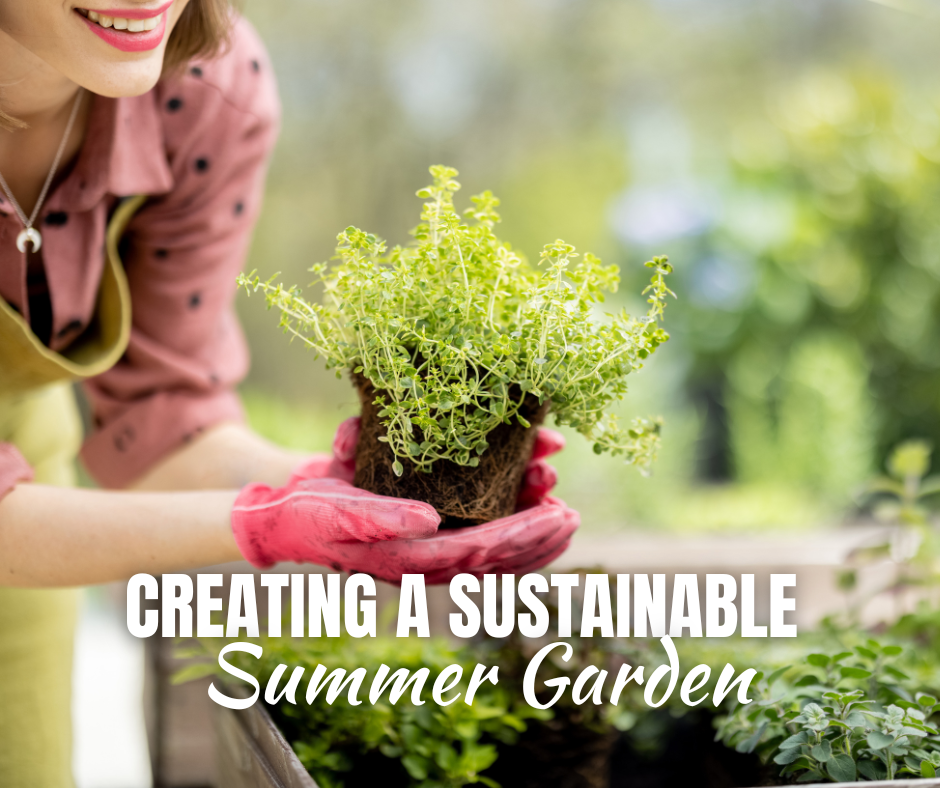
As summer approaches, many gardening enthusiasts are eager to transform their outdoor spaces into lush, vibrant gardens. However, in an age where sustainability is paramount, creating a summer garden that is both beautiful and eco-friendly can seem daunting. Fortunately, with a few thoughtful strategies and practices, anyone can cultivate a garden that thrives in harmony with the environment. Here’s a comprehensive guide on how to create a sustainable summer garden that flourishes without compromising the planet’s well-being.
Sustainable gardening goes beyond just planting and harvesting. It involves practices that promote environmental health, conserve resources, and reduce waste. By adopting sustainable gardening techniques, gardeners can:
Minimize water usage
Reduce reliance on chemical fertilizers and pesticides
Promote biodiversity
Enhance soil health
Lower their carbon footprint
Selecting the appropriate plants for your garden is the first step toward sustainability. Opt for native plants and drought-tolerant species that are well-adapted to your region’s climate. These plants typically require less water, are more resistant to pests, and contribute to local biodiversity.
Design your garden layout to maximize space and minimize resource use. Companion planting—growing certain plants together that benefit each other—can naturally deter pests and improve growth. Consider raised beds and vertical gardening to optimize small spaces and reduce water runoff.
Composting is a cornerstone of sustainable gardening. By recycling kitchen scraps, yard waste, and other organic materials, gardeners can create nutrient-rich compost that enriches soil and reduces the need for chemical fertilizers. Start a compost pile or use a compost bin, and regularly turn it to speed up decomposition.
Mulching is another effective way to enhance soil health. Applying a layer of organic mulch, such as straw, leaves, or wood chips, helps retain soil moisture, regulate temperature, and suppress weeds. As mulch breaks down, it also adds valuable nutrients to the soil.
Water is a precious resource, especially during the hot summer months. Implementing efficient irrigation methods can significantly reduce water usage. Drip irrigation systems deliver water directly to plant roots, minimizing evaporation and runoff. Soaker hoses and rain barrels are also excellent options for conserving water.
Watering early in the morning or late in the evening reduces evaporation and ensures that plants absorb more moisture. Grouping plants with similar water needs together allows for more precise watering, preventing overuse.
Encouraging beneficial insects, such as ladybugs, bees, and predatory beetles, can naturally control pests and promote pollination. Planting flowers like marigolds, daisies, and sunflowers attracts these helpful insects to your garden.
Homemade pest control solutions are safer for the environment and often just as effective as chemical pesticides. A mixture of water, dish soap, and garlic can deter aphids, while neem oil and diatomaceous earth can combat a variety of garden pests.
Harvesting plants at their peak not only ensures the best flavor and nutrition but also promotes continued growth. Regular pruning and deadheading (removing spent flowers) can encourage plants to produce more blooms and fruits.
Practicing crop rotation helps maintain soil health and prevent pest infestations. By changing the location of plant families each season, gardeners can disrupt pest life cycles and reduce soil depletion.
Utilizing solar energy for garden lighting and irrigation systems reduces reliance on fossil fuels and lowers energy costs. Solar-powered garden lights and pumps are widely available and easy to install.
Incorporating recycled materials into garden design is both eco-friendly and creative. Repurpose old containers, pallets, and other items to create unique planters, trellises, and garden art.
Engaging with the local gardening community can provide valuable insights and resources. Participate in seed swaps, gardening workshops, and community gardens to learn and share sustainable practices.
Creating habitats for local wildlife, such as birds, butterflies, and bees, enhances biodiversity and contributes to a balanced ecosystem. Planting a variety of flowering plants and installing bird baths or bee hotels can attract and support these creatures.
Creating a sustainable summer garden is a rewarding endeavor that benefits both the gardener and the environment. By thoughtfully planning and implementing eco-friendly practices, gardeners can cultivate beautiful, thriving spaces that conserve resources, support biodiversity, and promote a healthier planet. Embrace the challenge of sustainable gardening this summer, and watch as your garden not only flourishes but also becomes a beacon of environmental stewardship.

Meet Tim Ney, Broker, a distinguished professional with over 22 years of expertise in residential real estate. Beyond his seasoned proficiency, Tim holds certifications as an Accredited Buyers Represe....
Ready for Anything: A Homeowner's Preparedness ChecklistSeptember is National Preparedness Month, and this year's theme from FEMA's Ready campaign is Americans Stand Ready — the idea that
San Diego Game Day Food: 3 Local Spots + Hosting TipsThe first real football weekend of the season has a specific feeling to it here. Mornings are still gray and cool, the freeway is quiet by ten,
Building the Perfect Entryway for Back to SchoolSummer has a way of taking over the house. Pool bags pile up by the door, sunscreen and sunglasses colonize every flat surface, and nobody quite
Everyone Needs a Third Place. Here's How to Find Yours in San DiegoThere's a term that sociologists have used for decades that's suddenly everywhere: the third place. The concept is simple. The
 This information is deemed reliable but not guaranteed. You should rely on this information only to decide whether or not to further investigate a particular property. BEFORE MAKING ANY OTHER DECISION, YOU SHOULD PERSONALLY INVESTIGATE THE FACTS (e.g.square footage and lot size) with the assistance of an appropriate professional. You may use this information only to identify properties you may be interested in investigating further. All uses except for personal, non-commercial use in accordance with
the foregoing purpose are prohibited. Redistribution or copying of this information, any photographs or video tours is strictly prohibited. This information is derived from the Internet Data Exchange (IDX) service provided by San Diego MLS. Displayed property listings may be held by a brokerage firm other than the broker and/or agent responsible for this display. The information and any photographs and video tours and the compilation from which they are derived is protected by copyright.Compilation © 2026 San Diego MLS. Last Updated: September 21, 2026 11:23 PM UTC
Show More...
This information is deemed reliable but not guaranteed. You should rely on this information only to decide whether or not to further investigate a particular property. BEFORE MAKING ANY OTHER DECISION, YOU SHOULD PERSONALLY INVESTIGATE THE FACTS (e.g.square footage and lot size) with the assistance of an appropriate professional. You may use this information only to identify properties you may be interested in investigating further. All uses except for personal, non-commercial use in accordance with
the foregoing purpose are prohibited. Redistribution or copying of this information, any photographs or video tours is strictly prohibited. This information is derived from the Internet Data Exchange (IDX) service provided by San Diego MLS. Displayed property listings may be held by a brokerage firm other than the broker and/or agent responsible for this display. The information and any photographs and video tours and the compilation from which they are derived is protected by copyright.Compilation © 2026 San Diego MLS. Last Updated: September 21, 2026 11:23 PM UTC
Show More...
